
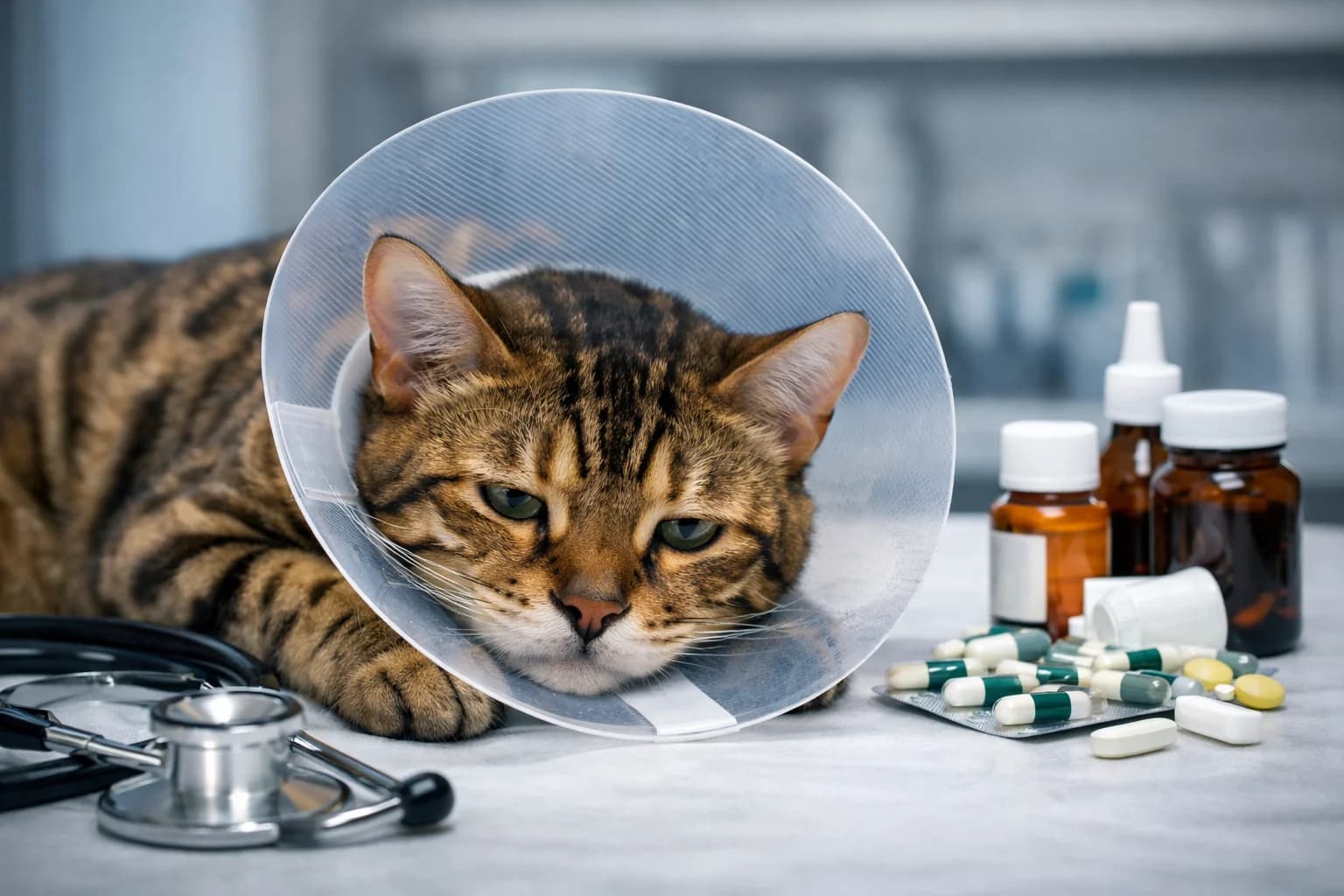
Bengal Cat Diseases
The old saying “you get what you pay for” is true, especially in the Bengal world. Breeding is expensive, and when everything is done properly, the profit is really small. The very first set of health and screening tests for each breeding pair easily starts at $1,000 and up, but reassurance is priceless when it prevents future heartbreak for their offspring.
We hope that by visiting our website, you will see the passion and dedication we have for every life in our home, which we consider a serious hobby and take great pleasure in breeding Bengals. When you visit other breeders, make a checklist of questions you may have.
Your breeder should be like a funnel, filtering out diseases in the parents before they enter breeding, and should be able to help you, provide evidence, and give feedback. The last thing you want is to invest yourself in a kitten that will not even reach adulthood because of a lack of preventive measures that are considered standard among all ethical breeders. Before you buy a Bengal kitten, make sure it is not at risk for the following diseases:
HCM — Hypertrophic Cardiomyopathy
Hypertrophic cardiomyopathy is the most common heart disease in Bengal cats. HCM is a thickening of the wall of the left ventricle. Severe thickening leads to the formation of scar tissue. Thickening and scarring of the tissue make it difficult for the left ventricle to relax. If it is severe, it can lead to heart failure, fluid buildup in or around the lungs. This fluid buildup, if severe, leads to rapid and labored breathing.
The left atrium (*the chamber behind the left ventricle) also enlarges in cats whose left ventricle cannot relax properly. This enlargement slows blood flow through this chamber and thus leads to blood sludge, predisposing to clot formation. When the clot is released from its attachment in the left atrium, it travels down the aorta to the hind legs, blocking blood flow and causing sudden paralysis and severe pain (so-called saddle thromboembolism).
Scar tissue may also predispose to abnormal electrical activity in the left ventricle, which manifests as arrhythmia. The observed arrhythmia is believed to predispose cats with HCM to sudden death. Thus, cats with severe HCM may develop heart failure, die suddenly, or experience pain from saddle thromboembolism.
There is no genetic test to detect it, and breeders’ only option is to have a certified cardiologist perform an echocardiogram on each pair of Bengals every 1–2 years to check current function and measurements.
PRA-b — Bengal Progressive Retinal Atrophy
PRA-b causes autosomal recessive blindness in Bengal cats. The disease causes the destruction of the cells that detect light (photoreceptors) in the back of the eye (the retina). Cell loss begins at around 7 weeks of age and gradually progresses until the cat’s vision deteriorates by around 2 years of age. The mutant DNA variant appears to be new to the Bengal breed and arose early in the popular Bengal lineage.
Two copies of the mutant DNA variant are required for cats to be blind; if only one parent is a carrier, the offspring will not be affected. Blindness can be detected either by a DNA test or by an eye examination before breeding age. Carriers, cats with one copy of the mutation, can only be identified by DNA testing.
PK Deficiency — erythrocyte pyruvate kinase deficiency
Erythrocyte pyruvate kinase deficiency (PK deficiency) is an inherited hemolytic anemia caused by insufficient activity of this regulatory enzyme, which leads to instability and loss of red blood cells. The anemia is intermittent, the age of onset varies, and the clinical signs also vary. Symptoms of this anemia may include severe lethargy, weakness, weight loss, jaundice, and abdominal enlargement. This condition is inherited as an autosomal recessive trait.
Bengal cats need two copies of the mutant DNA variant for this disease to develop; if only one parent is a carrier, the offspring will not be affected.
PKD1 — Polycystic Kidney Disease
Polycystic kidney disease (PKD1) is a well-documented abnormality in domestic cats. Cystic kidneys can occur sporadically in any cat population. PKD1 is not a new disease; it has been reported in the literature for more than 30 years. The inherited form of PKD1 may not originally have occurred in Persians as a new mutation, but perhaps in randomly bred cats. Unfortunately, PKD1 does not have a strong clinical picture.
The presentation of PKD1 is similar to one of the most common causes of death in any cat: kidney failure. Thus, PKD1 went unnoticed for many years and spread throughout the Persian breed. Any breed that used Persians in its foundation or breeding should have PKD1 concerns. In Persians, this condition has been shown to be inherited as a single autosomal dominant gene.
Early onset, bilateral involvement (both kidneys), and multiple cysts are signs of the inherited form of the disease. Kidney cysts for PKD1 are present early, often before 12 months of age. However, kidney failure usually occurs later in life. Thus, PKD1 is considered a late-onset kidney disease. In fancy cat breeds, PKD1 is inherited as an autosomal dominant condition. This implies that one copy of the gene is enough to produce PKD1.
In general, 50% of the offspring of cats testing positive for PKD1 inherit PKD1.
FIV — feline immunodeficiency virus
(FIV) may not show symptoms for several years after the initial infection has occurred. Although the virus acts slowly, the cat’s immune system becomes severely weakened once the disease advances. This makes the cat susceptible to various secondary infections.
Infected cats receiving supportive medical care and kept indoors in a stress-free environment can live relatively comfortably for months or years before the disease reaches its chronic stages.
FeLV — feline leukemia virus
First discovered in the 1960s, feline leukemia virus is a transmissible RNA retrovirus that can seriously suppress a cat’s immune system. It is one of the most commonly diagnosed causes of illness and death in domestic cats. FeLV weakens the animal’s immune system and predisposes cats to various infections and diseases, including anemia, kidney disease, and lymphosarcoma, a highly malignant and fatal cancer of the lymphatic system.
Unfortunately, there is no cure for FeLV, and it is estimated that fewer than 20% of clinically infected cats survive more than three years of active infection. In the case of those cats that develop cancer, chemotherapy may help prolong life, but treatment is often aimed at providing the best possible quality of life.
FIP — Feline Infectious Peritonitis
Feline infectious peritonitis (FIP) is a viral disease of cats caused by certain strains of a virus called feline coronavirus. Most strains of feline coronavirus are avirulent, meaning they do not cause disease, and are called feline enteric coronavirus. Cats infected with feline coronavirus usually show no symptoms during the initial viral infection, and the immune response occurs when antiviral antibodies are produced.
In a small percentage of infected cats (5 to 10 percent), either as a result of viral mutation or due to a disrupted immune response, the infection progresses to the clinical state of FIP. The virus is then called feline infectious peritonitis virus (FIPV). With the antibodies that are supposed to protect the cat, white blood cells become infected with the virus, and these cells then carry the virus throughout the cat’s body.
An intense inflammatory response occurs around the vessels in the tissues where these infected cells are located, often in the abdomen, kidneys, or brain. It is this interaction between the body’s own immune system and the virus that causes the disease. Once a cat develops clinical FIP, involving one or more body systems, the disease progresses and is almost always fatal.
The way clinical FIP develops as an immune-mediated disease is unique, unlike any other viral disease of animals or humans. One of the most difficult aspects of FIP is the lack of a simple diagnostic test. ELISA, IFA, and virus neutralization tests detect the presence of coronavirus antibodies in a Bengal cat, but these tests cannot differentiate between the various strains of feline coronavirus.
A positive result only means that the cat has previously been exposed to coronavirus, but not necessarily the one that causes FIP. To date, there is no way to screen healthy cats for the risk of developing FIP, and the only way to definitively diagnose FIP is by biopsy or tissue examination at necropsy.
In general, veterinarians may rely on a presumptive diagnosis, which can be made with a relatively high degree of confidence by evaluating the cat’s history, symptom presentation, examination of fluid if present, and the results of supportive laboratory tests, including a positive coronavirus antibody titer. At present, there is no known cure or effective treatment for FIP.
Some treatments may produce short-term remissions in a small percentage of cats; however, FIP is a fatal disease. Treatment is generally aimed at supportive care, such as good care and nutrition, as well as reducing the inflammatory response of the disease. Cats with FIP are often treated with corticosteroids, cytotoxic drugs, and antibiotics. Supportive treatment may also include fluid therapy, drainage of accumulated fluid, and blood transfusions.
Research continues to find other immunosuppressants that may slow the progression of the disease. Efforts are also being made to find antiviral drugs that will prevent or slow viral replication. One promising approach currently being studied combines both an antiviral agent and an immune response modifier. As you can see, the list of diseases is quite large, and these are only the main problems in Bengal cats.
But do not be alarmed: if you are going to choose a Bengal kitten from a cattery, you only need to make sure it has all the necessary documents and vaccinations. Feel free to ask about tests and the official contract that guarantees you are buying a healthy Bengal kitten!